
Watermarked preview · original available after purchase
#biodiversity loss#exotic species#mountain forests#forest management#sustainable forestry#Ecological Sustainability#conservation concern#deforestation impact#ecological disruption#ecological imbalance#ecosystem health#environmental Degradation#environmental threat#fire risk#forest monoculture#forest restoration#habitat degradation#habitat loss#Himalayan ecosystems#indigenous species#invasive pine#mountain ecology#native species replacement#pine trees Himalayas#plantation forestry#soil acidification#timber plantations#water retention issues#wildlife impact
Pine Trees
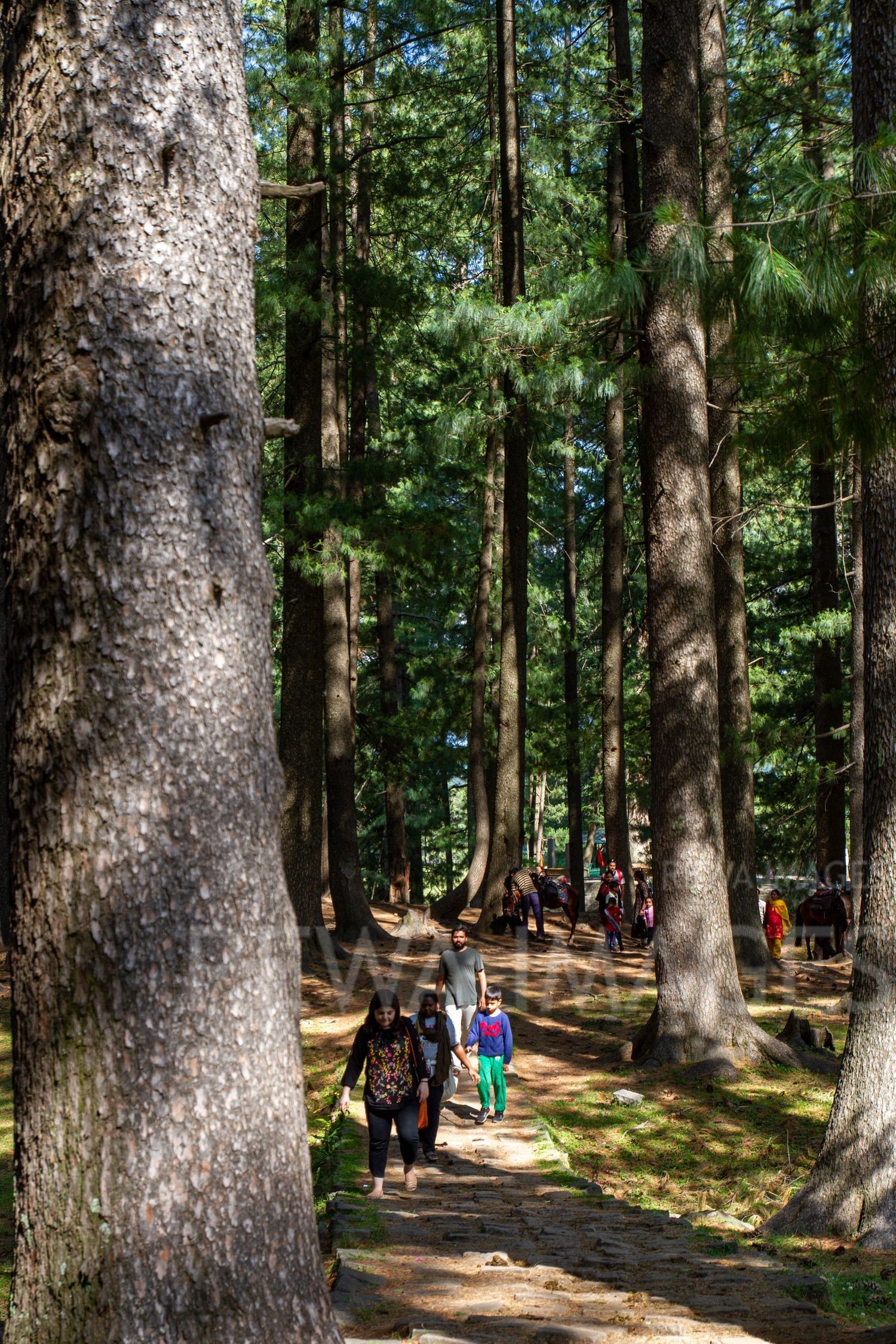
Pine trees in the Himalayas, often planted for timber or erosion control, can threaten local ecosystems by outcompeting indigenous species. Their needles acidify soil, reduce biodiversity, and increase fire risk. Replacing native forests with monoculture pines disrupts ecological balance, affecting wildlife, water retention, and long-term environmental sustainability in fragile mountain landscapes.
Details
image3,456 × 5,184 px15.0 MB240 DPI7 June 2019
Photo byJoe Athialy
Select License
Tags
#biodiversity loss#exotic species#mountain forests#forest management#sustainable forestry#Ecological Sustainability#conservation concern#deforestation impact#ecological disruption#ecological imbalance#ecosystem health#environmental Degradation#environmental threat#fire risk#forest monoculture#forest restoration#habitat degradation#habitat loss#Himalayan ecosystems#indigenous species#invasive pine#mountain ecology#native species replacement#pine trees Himalayas#plantation forestry#soil acidification#timber plantations#water retention issues#wildlife impact
Location