
Explore
Collections
13 editorial collections

Wah Taj!!
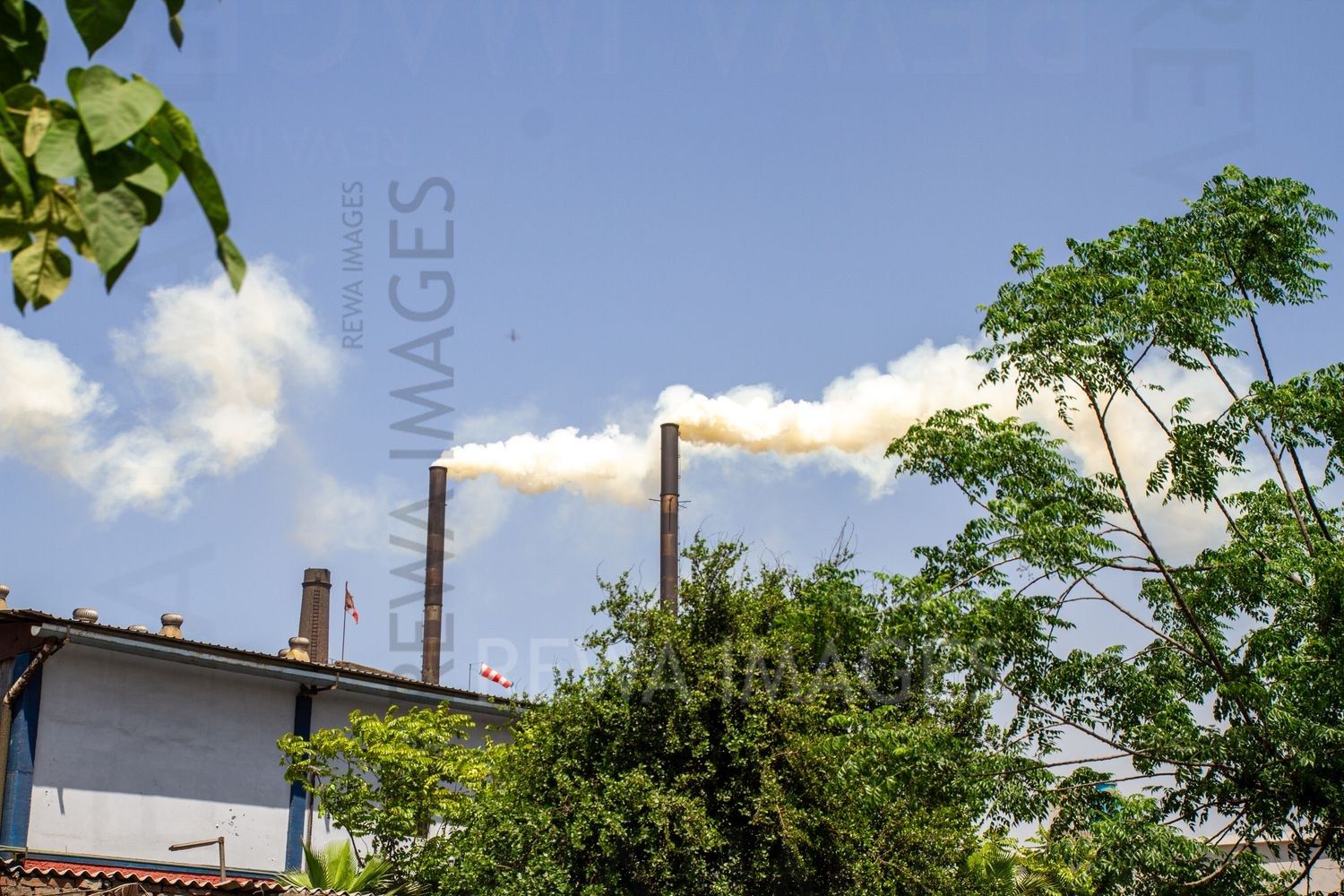
Air Pollution
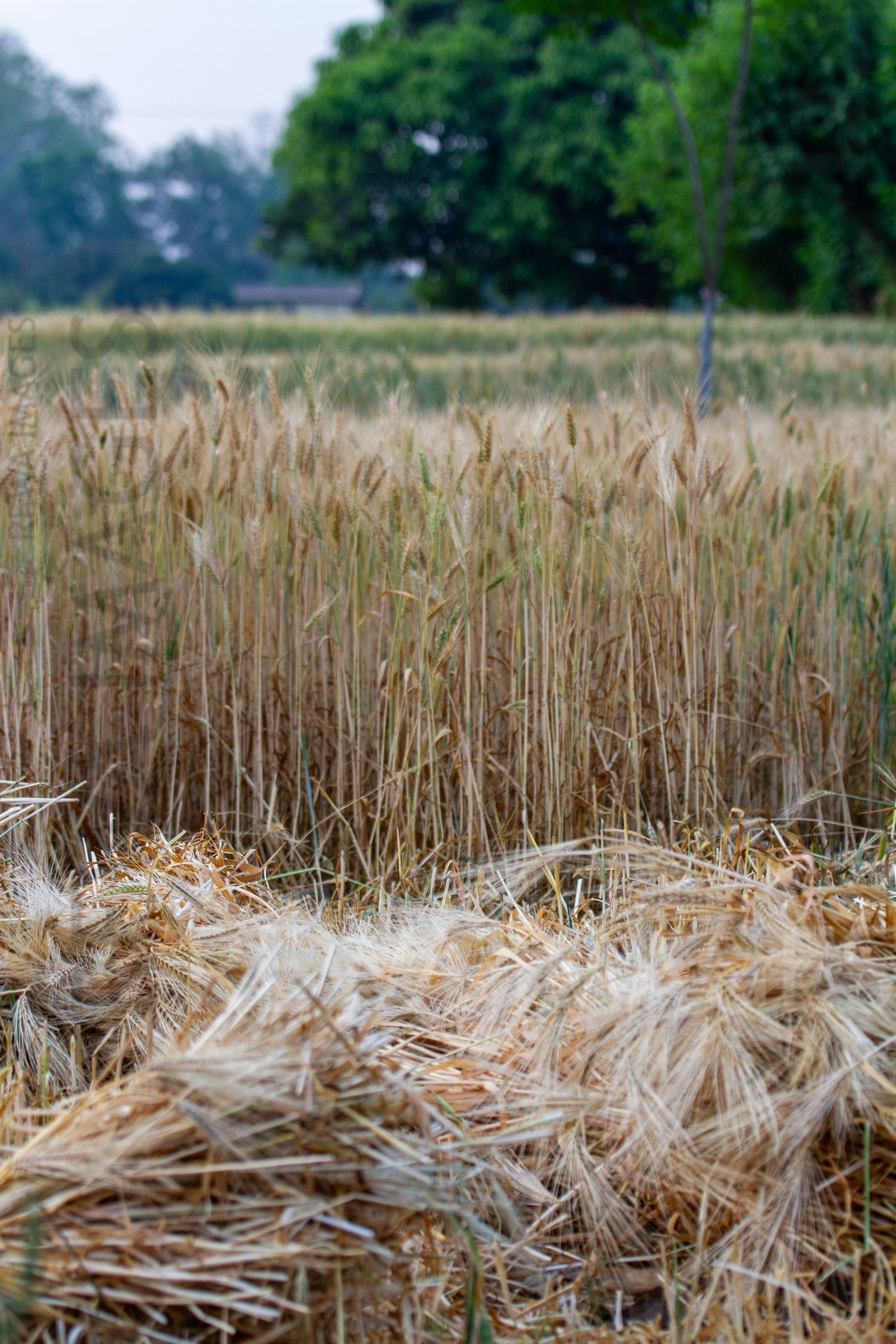
Farming and Agriculture
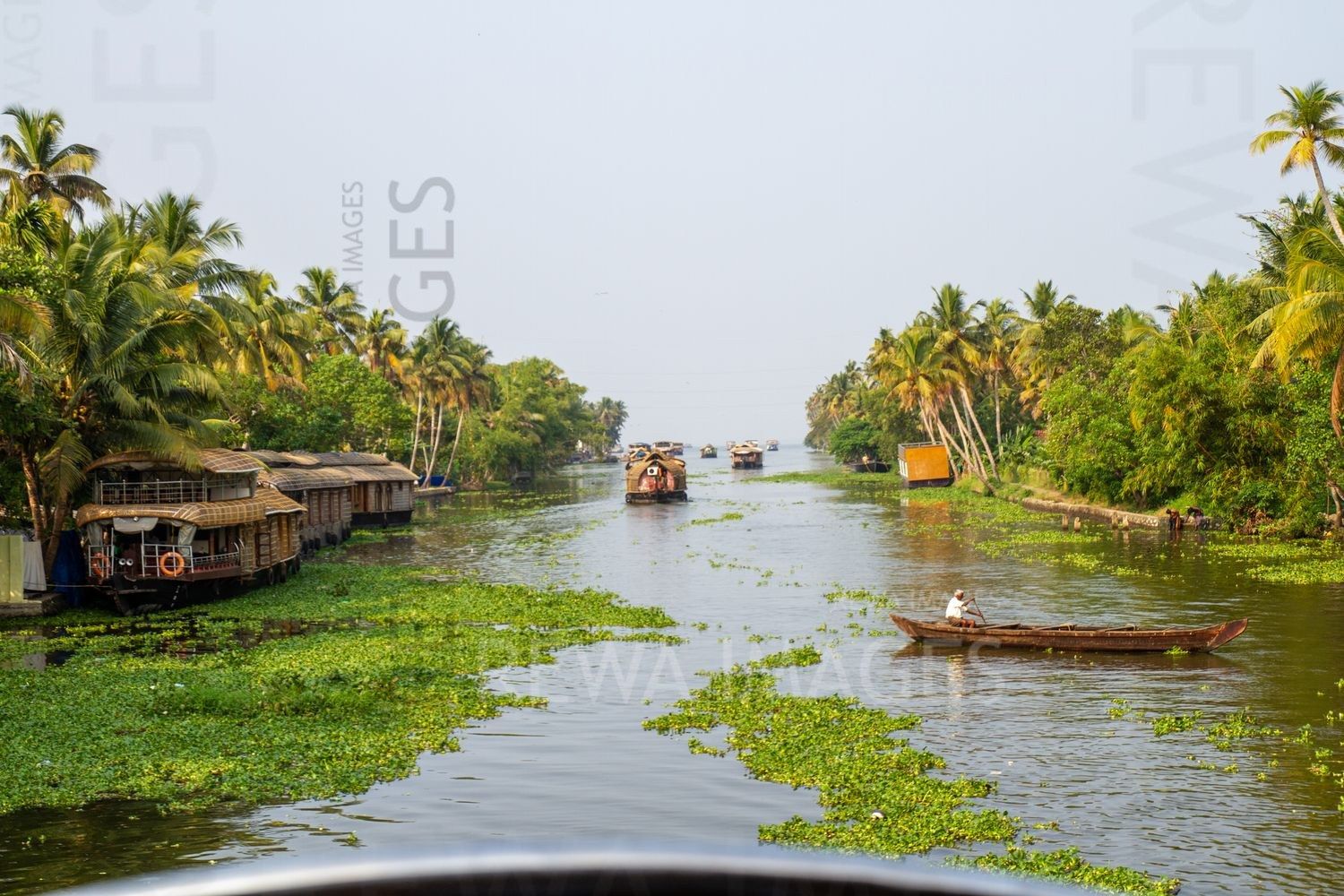
Kerala Backwaters
<p>Step into Kerala’s backwaters and everything slows down. This calm web of lakes and canals flows past coconut trees, green paddy fields, and small villages. Houseboats move gently on the water, while local boats pass by with fishermen, school kids, and people carrying their daily supplies. In the morning, light mist sits on the water and birds like egrets and kingfishers fly low. By evening, the sunset turns the canals golden. These photos show the simple beauty of life by the water—quiet shores, smiling faces, and peaceful reflections. From Alappuzha to Kumarakom, you’ll see water lilies, wooden boats, and homes close to the banks. The backwaters are not just a place to visit—they are a way of life, warm, slow, and unforgettable.</p>
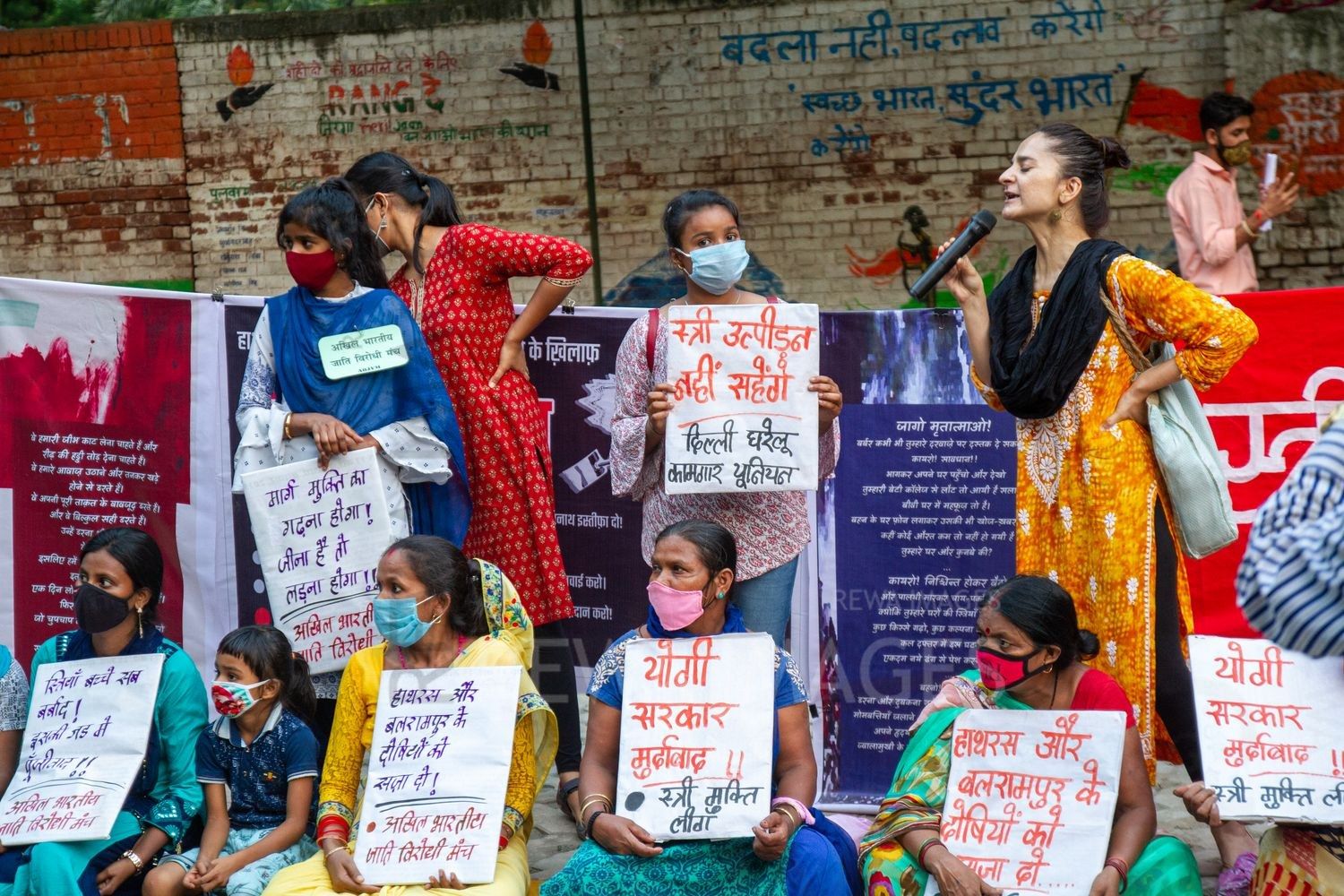
Protests against 2020 Hathras rape case
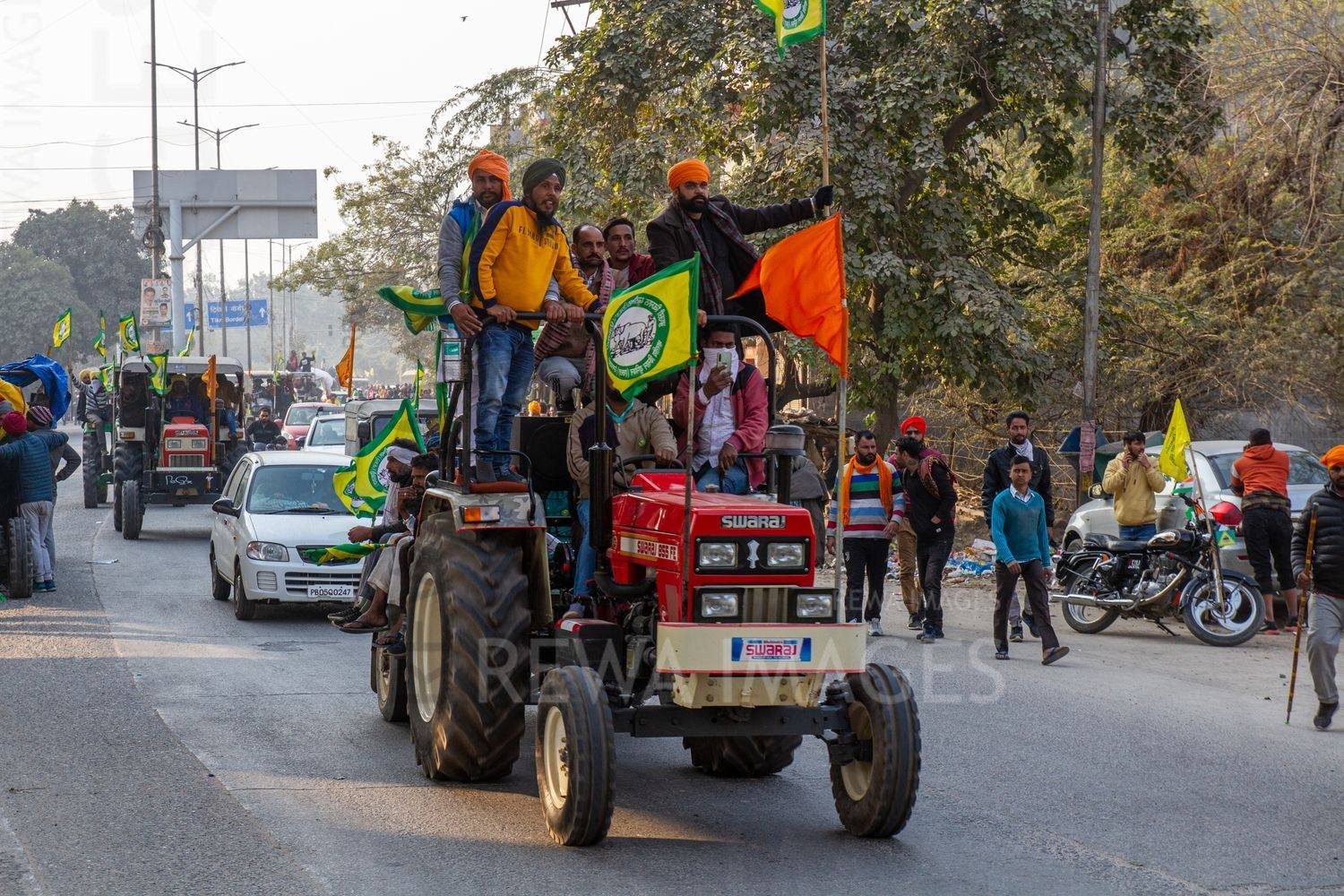
Democracy In Action
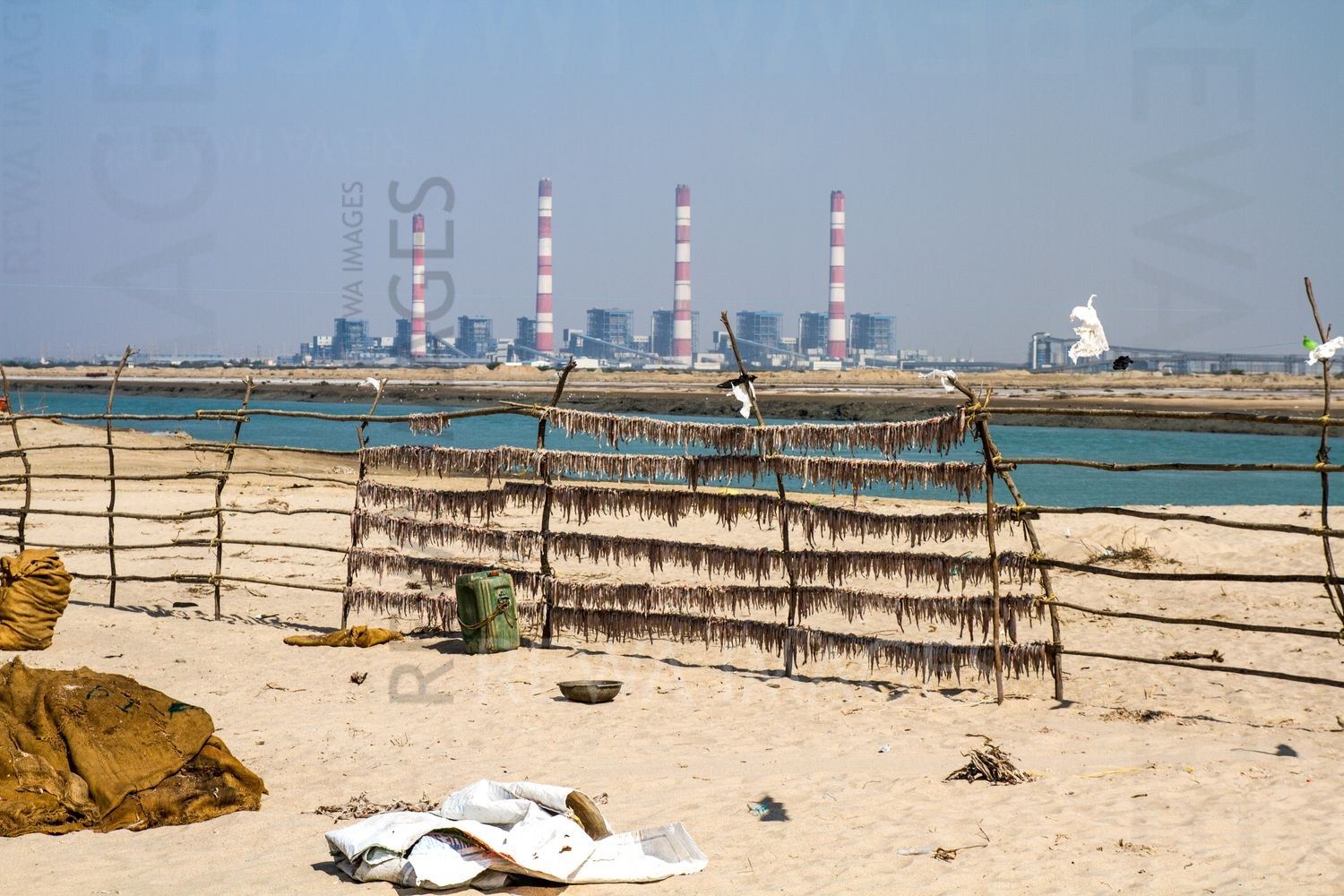
Coal Mining and Thermal Projects in India
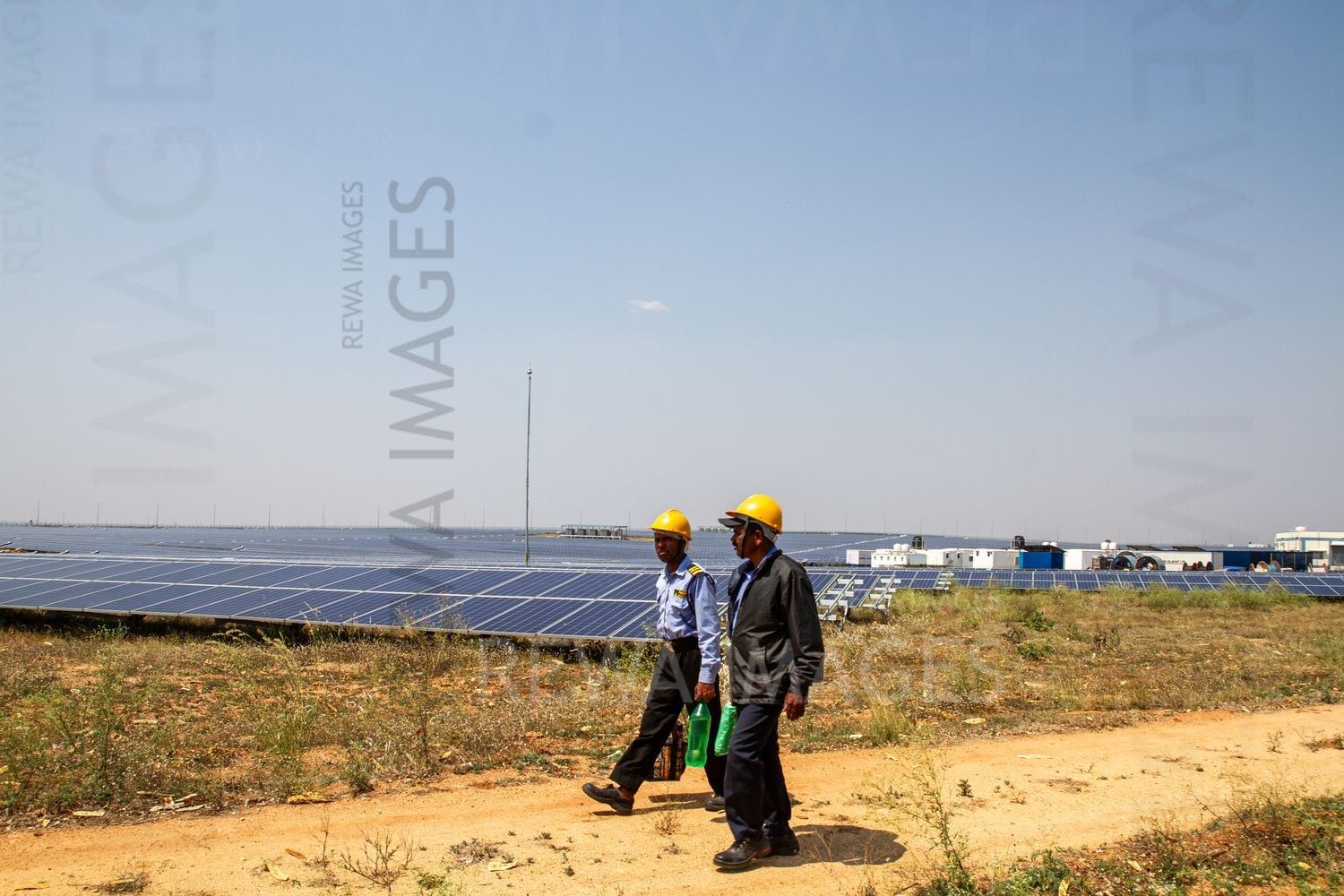
Renewable Energy in India
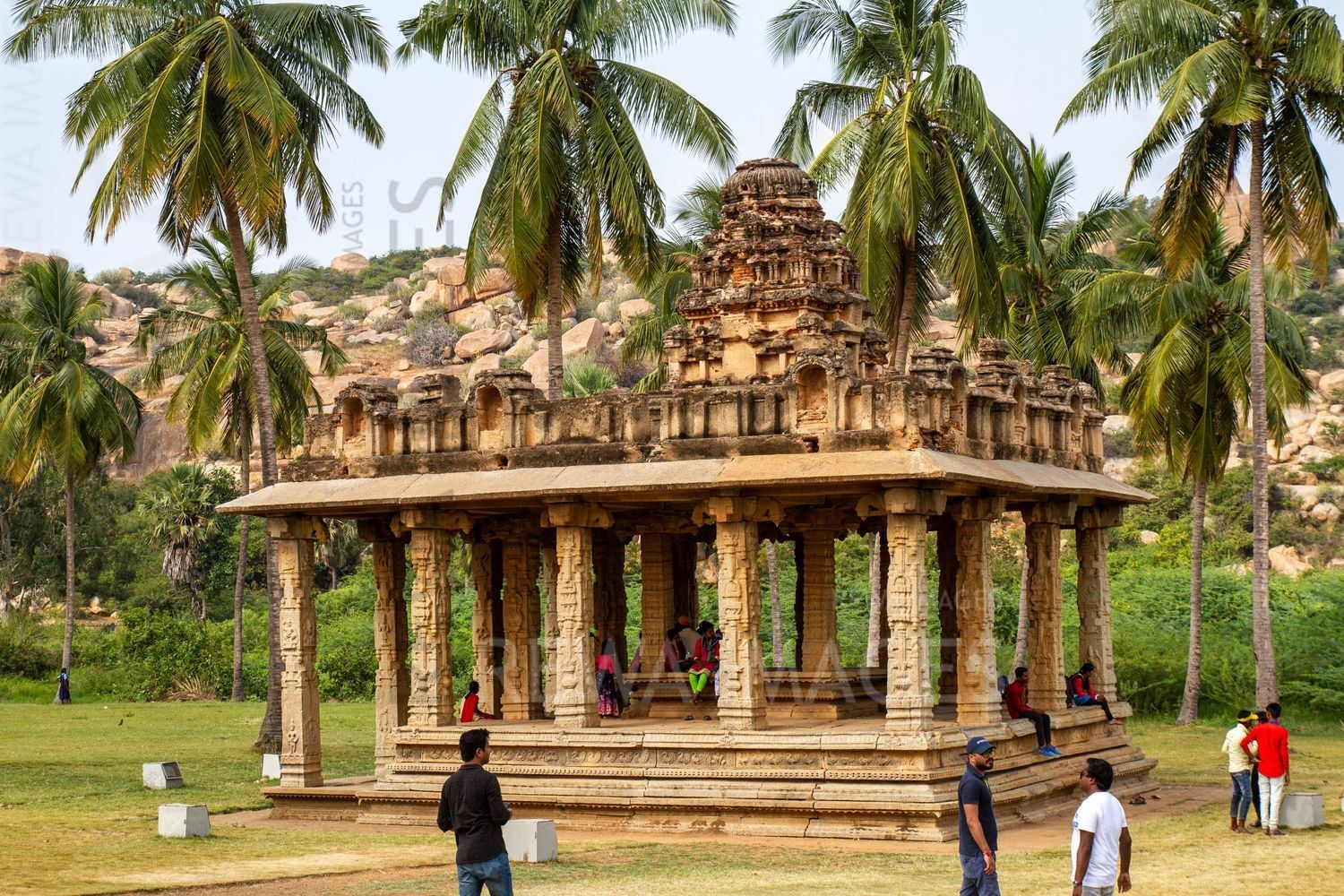
Spectacular Hampi

Open terror attack on Christians in Kandhamal, 2008
<p>In 2008, sections of Hindutva forces used open terror to coerce Christians in Kandhamal into forced conversion, threatening death with axes placed at their necks. These survivors represent only a fraction of those subjected to such violence. Rituals were staged under duress, not faith. Today, many have returned to their churches, exposing the futility of coercion. These lived experiences stand as political testimony that belief cannot be manufactured through fear. Faith is an inner conviction, not a submission extracted by weapons. History records such acts not as triumphs, but as moral and ideological failures.</p><p>During the 2008 anti-Christian violence in Kandhamal, thousands of houses and shops belonging to Christian families were systematically looted, burnt, and destroyed. Entire villages were reduced to ashes, wiping out homes, small businesses, food stocks, livestock, documents, and lifetime savings. The destruction was not random but targeted, aimed at economic ruin and forced displacement. Many survivors received inadequate or no compensation, leaving families trapped in long-term poverty and insecurity. Beyond physical loss, the attacks shattered livelihoods, dignity, and social stability. The ruins of homes and shops remain enduring symbols of injustice, state failure, and the urgent need for accountability and reparative justice.<br>Books central to Christianity, including the Holy Bible—texts rooted in love and compassion—were deliberately burnt, exposing the irrationality of hate-driven politics. This hostility traces back to 1967, when Odisha enacted an anti-conversion law and organized campaigns against Christians intensified. The destruction disproportionately targeted images of Mother Mary, reflecting a deeply patriarchal violence mirrored in the sexual abuse of women. Jesus Christ, a historical figure who stood with the oppressed, was symbolically attacked again through broken icons. Yet these assaults failed to weaken faith. Instead, they revealed the moral bankruptcy of coercive ideology and strengthened community resolve against manufactured hatred.</p><p>After the 2008 Kandhamal violence, over 393 churches and worship places were destroyed, including a Catholic church in Katimaha village that remains unreconstructed and was reduced to a cattle shed. Religious symbols were desecrated, property looted, and livelihoods erased, alongside the burning of 6,500 homes. The violence targeted faith, women, and dignity, yet failed to break community resilience. Despite inadequate compensation and deep losses, survivors organized peaceful struggles through collective platforms, asserting moral strength over retaliation. Their resistance affirms that faith and justice cannot be destroyed by force, and exposes the long political history of anti-Christian hatred in the region.</p>

Magic of Macro Photography
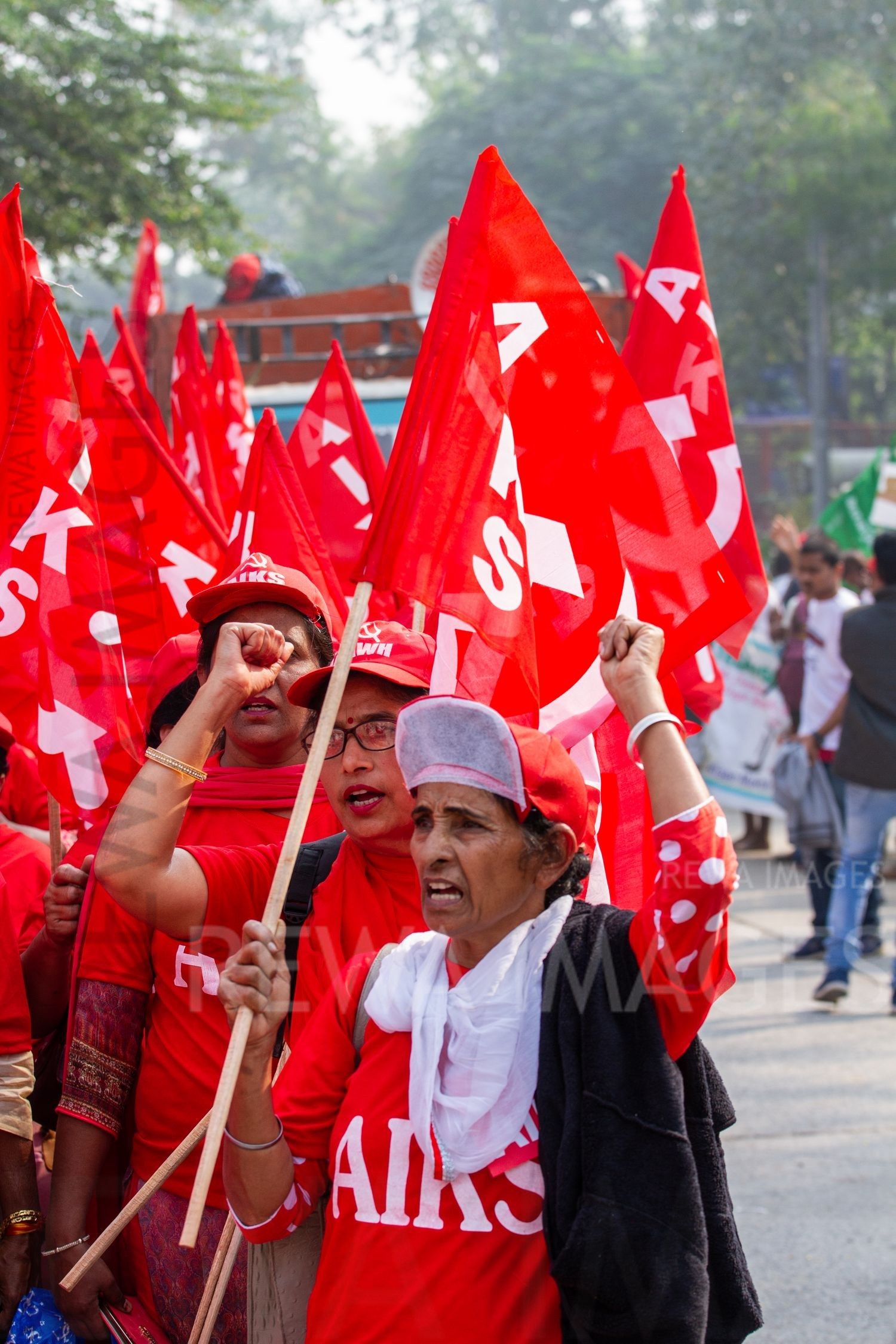
Kissan Mukthi March 2018 Farmer Protests
<p><em>Kisan Mukti March 2018, All India Kisan Sabha, AIKS, farmers movement India, agrarian crisis, farmers protest, rural distress, land rights, MSP demand, farm debt, agrarian justice, peasants movement, Delhi march, mass mobilization, social justice, neoliberal policies, agricultural reforms, rural livelihoods, farmers rights, constitutional rights, food security, political protest, grassroots movement, trade unions, Indian agriculture, farmers solidarity, resistance movement, people’s movement, democratic struggle</em></p><p><strong>Farm suicides in India</strong>, especially in Vidarbha, expose a deep agrarian crisis driven by indebtedness to moneylenders, erratic weather, crop failures, and dependence on costly fertilizers and seeds. Institutional neglect, inadequate credit, and volatile markets trap farmers in cycles of despair, turning livelihoods into sites of irreversible loss.</p><p>The Kisan Mukti March of 2018, led by the <strong>All India Kisan Sabha (AIKS),</strong> was a landmark mobilization of farmers demanding relief from agrarian distress. Thousands marched to Delhi, raising issues of indebtedness, falling crop prices, land rights, and the failure of pro-farmer policies. The march highlighted the deep structural crisis in Indian agriculture caused by neoliberal reforms, corporate control, and state apathy. By foregrounding constitutional rights, fair remuneration, and social justice, the Kisan Mukti March asserted farmers’ dignity and forced national attention on rural livelihoods, agrarian democracy, and the urgent need for transformative policy change.</p>
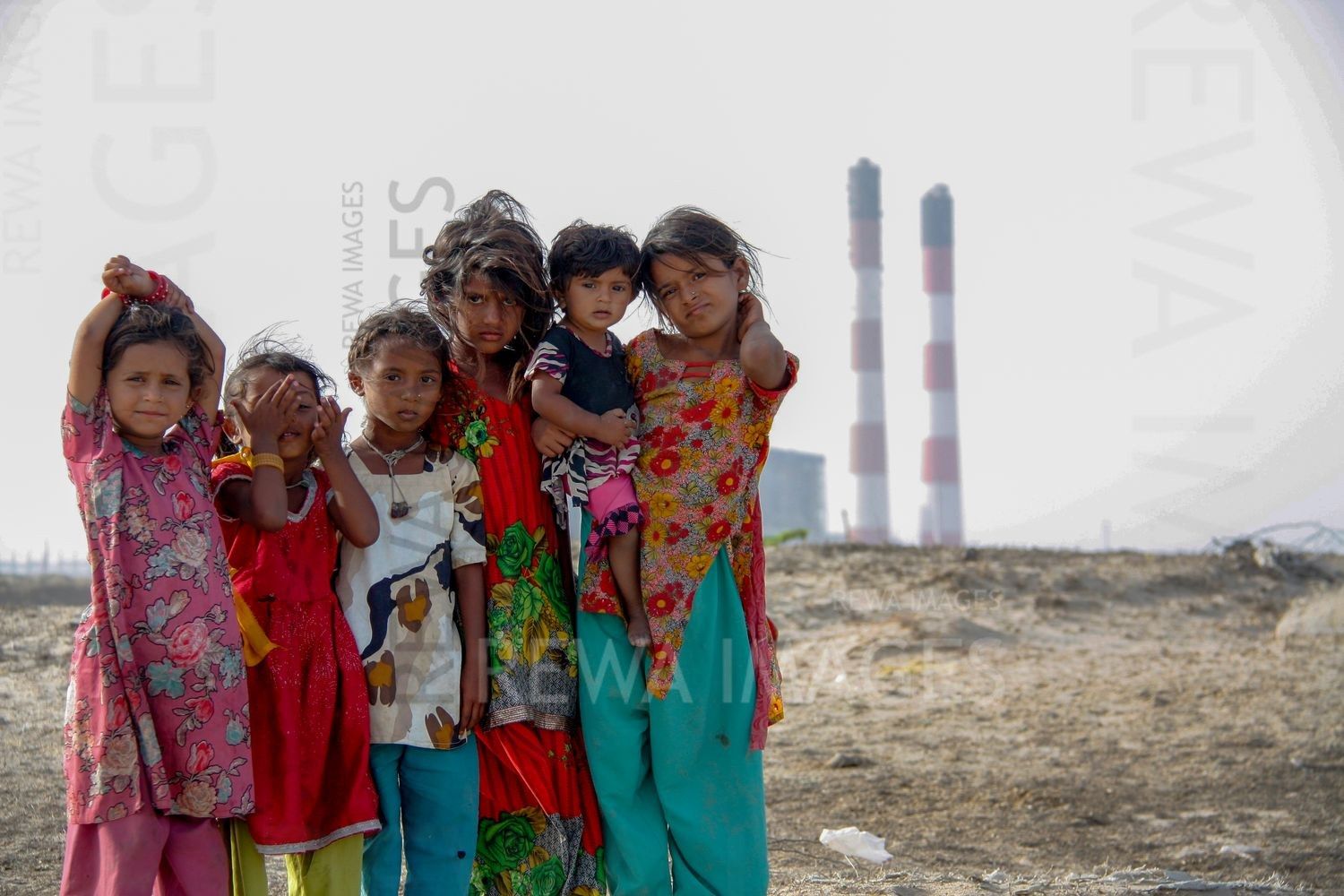
Tata Mundra Power Project - The drastic effects on the local fishing communities
The Tata Mundra power project has drastically altered coastal access for fishing communities by constructing an outlet channel that blocks traditional routes to the sea. Fishermen who once reached fishing grounds directly are now forced to take a 7-kilometre detour, increasing fuel costs, time, and physical risk. This loss of access has undermined daily livelihoods and reduced fishing viability, particularly for small-scale operators. Despite clear economic hardship caused by the project’s infrastructure, affected fishermen were never compensated. The situation exposes a pattern of development that privileges corporate convenience over customary rights, mobility, and the survival of coastal communities. Fish once thrived in abundance along the Kutch coast, sustaining local fishing communities and marine ecology. Their sharp decline is closely linked to the World Bank–funded Tata Mundra power project. The plant’s once-through cooling system discharged heated water into the sea, raising surface temperatures and disrupting marine habitats. This thermal pollution drove fish stocks away on a massive scale, collapsing traditional fisheries. Lobsters are particularly sensitive; once they abandon a habitat, they do not return. Their disappearance signals irreversible ecological damage, exposing how large infrastructure projects externalize environmental costs while eroding livelihoods, biodiversity, and coastal resilience. Coal remains central to India’s energy system but creates significant social and environmental footprints. Mining and power plants drive deforestation, air and water pollution, and carbon emissions. Affected communities experience displacement, health problems, and livelihood disruption. These challenges highlight the urgency of balancing energy security with environmental protection and a just transition.